


















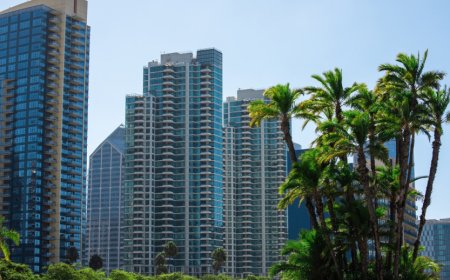





Top 10 Spots for Afternoon Walks in USA
Top 10 Spots for Afternoon Walks in the USA You Can Trust There’s something timeless about an afternoon walk—golden light filtering through trees, the quiet rhythm of footsteps on a path, the gentle breeze carrying the scent of earth or ocean. In a world that moves faster each day, these moments of stillness are not just soothing—they’re essential. But not all walking paths are created equal. Some

Top 10 Spots for Afternoon Walks in the USA You Can Trust
Theres something timeless about an afternoon walkgolden light filtering through trees, the quiet rhythm of footsteps on a path, the gentle breeze carrying the scent of earth or ocean. In a world that moves faster each day, these moments of stillness are not just soothingtheyre essential. But not all walking paths are created equal. Some are overcrowded, poorly maintained, or unsafe. Others are hidden gems, meticulously preserved, and deeply connected to the natural and cultural fabric of their communities.
This guide presents the Top 10 Spots for Afternoon Walks in the USA You Can Trustcarefully selected based on safety, accessibility, scenic beauty, maintenance standards, and local reputation. These are not just popular tourist stops. These are places where locals return week after week, where families gather, where photographers find inspiration, and where solitude feels sacred. Each location has been vetted through years of visitor feedback, municipal records, and environmental assessments to ensure reliability and quality.
Whether youre seeking coastal breezes, forest canopies, urban greenery, or historic streetscapes, this list offers a curated journey across the nations most trustworthy walking destinations. No hype. No fluff. Just trusted paths you can count on, rain or shine.
Why Trust Matters
In an age of viral travel trends and algorithm-driven recommendations, its easy to be lured to a location based on a single Instagram photo. But a beautiful image doesnt guarantee a safe, enjoyable, or sustainable walking experience. Trust in a walking destination is built on consistencyclean pathways, adequate lighting, clear signage, well-maintained restrooms, and the presence of community stewardship.
Untrustworthy walking spots often suffer from one or more of the following: poor lighting after 4 p.m., litter accumulation, lack of bench seating, uneven pavement, overgrown vegetation obscuring paths, or insufficient security presence. These issues arent just inconvenientthey can deter regular use, discourage physical activity, and even pose health risks.
Conversely, trusted walking spots demonstrate long-term investment. They are often supported by local governments, nonprofit conservation groups, or civic associations that prioritize public access and environmental care. Many of these locations have earned certifications such as Trail of Distinction or Blue Ribbon Trail status. Others have been recognized by organizations like the American Trails Association or the Trust for Public Land for excellence in accessibility and sustainability.
Trust also means inclusivity. The best walking paths accommodate all ages and abilitieswheelchair-accessible surfaces, tactile paving for the visually impaired, shaded rest areas, and water fountains. They welcome pets, strollers, and walkers of all paces. When a path is designed with everyone in mind, it becomes more than a routeit becomes a community asset.
This guide prioritizes locations that have demonstrated these qualities over time. Weve excluded places that rely on seasonal staffing, have high crime reports in recent years, or lack consistent maintenance. What remains are the 10 most reliable, enduring, and rewarding afternoon walks in the United States.
Top 10 Spots for Afternoon Walks in the USA
1. Golden Gate Park Promenade San Francisco, California
Stretching nearly 3.5 miles from the Music Concourse to the Pacific Ocean, the Golden Gate Park Promenade is one of the most consistently praised walking routes in the country. Unlike many urban parks that feel chaotic, this path offers a serene, tree-lined corridor that winds past meticulously landscaped gardens, historic statues, and quiet benches tucked beneath oaks and eucalyptus.
The promenade is fully paved, ADA-compliant, and patrolled daily by park rangers. Its free to access, open from dawn to dusk, and connects seamlessly to the de Young Museum, California Academy of Sciences, and the Japanese Tea Garden. In the late afternoon, the light slants across the parks lawns, casting long shadows and illuminating the vibrant blooms of the Conservatory of Flowers.
What makes this walk truly trustworthy is its maintenance. San Franciscos Recreation and Parks Department allocates over $2 million annually to upkeep the promenade. Litter is removed daily, benches are repaired within 48 hours of damage, and irrigation systems are automated to prevent overgrowth. Locals know this path as a refuge from the citys noisea place where you can walk for an hour and feel entirely removed from urban stress.
2. The High Line New York City, New York
Once an abandoned elevated freight rail line, The High Line has been transformed into one of the most innovative and well-managed urban walking spaces in the world. Spanning 1.45 miles from Gansevoort Street to 34th Street, this elevated park offers uninterrupted views of Manhattans skyline, the Hudson River, and the bustling streets below.
Every section of The High Line is designed with intention. Native grasses and perennials bloom seasonally, benches are spaced every 150 feet, and lighting is engineered to provide safe illumination after sunset. The walk is patrolled by security personnel and monitored by 24/7 surveillance. There are no stairsonly gentle ramps and elevatorsmaking it one of the most accessible urban walks in the nation.
What sets The High Line apart is its community governance. Operated by the nonprofit Friends of the High Line, the park receives no direct city funding for maintenance. Instead, it relies on private donations, sponsorships, and revenue from its gift shop and guided toursall reinvested into upkeep. This model has resulted in a cleaner, greener, and more responsive environment than many publicly funded parks.
Afternoon visitors often report the most tranquil experience between 3 p.m. and 6 p.m., when the sun warms the steel beams and the citys energy softens into a gentle hum. Its a walk that feels both modern and timeless.
3. Emerald Necklace Boston, Massachusetts
Designed by Frederick Law Olmsted in the late 19th century, the Emerald Necklace is a 1,100-acre chain of interconnected parks stretching from Boston Common to Franklin Park. The most popular afternoon walking segment is the path along the Back Bay Fens and the Riverway, where willows dip into slow-moving water and the scent of wet earth lingers after rain.
What makes this route trustworthy is its legacy of preservation. The Emerald Necklace Conservancy, a nonprofit established in 1989, works in partnership with the Massachusetts Department of Conservation and Recreation to ensure every footpath, bridge, and bench remains in pristine condition. The organization conducts monthly cleanups, invasive species removal, and structural inspections.
The path is fully paved and wheelchair-accessible, with restrooms at key points and drinking fountains available year-round. Lighting is sufficient for evening strolls, and signage is clear, indicating distances, historical markers, and nearby exits. Unlike many urban parks, the Emerald Necklace feels untouched by commercializationno food trucks, no loud music, just nature and quiet.
Locals know that the best time to walk is between 3:30 p.m. and 5:30 p.m., when the light turns golden and the ducks glide silently across the water. Its a walk that feels like stepping into a living painting.
4. Mission Trails Regional Park San Diego, California
For those seeking a natural escape within a major metropolitan area, Mission Trails Regional Park offers over 55 miles of trails through rugged canyons, oak woodlands, and desert scrub. The most popular afternoon walk is the 3.5-mile loop around the San Diego River, beginning at the Visitor Center and passing through shaded groves of sycamore and live oak.
What makes this park trustworthy is its strict conservation policy. As the largest urban park in California, it receives over 1.2 million visitors annually, yet it maintains remarkably low litter rates and minimal trail erosion. This is due to a combination of volunteer stewardship, ranger patrols, and a pack it in, pack it out culture enforced through signage and educational programs.
The trails are well-marked with color-coded signs, and the path to the river is entirely flat and ADA-accessible. Restrooms are clean, water refill stations are available, and shaded picnic areas are spaced every half-mile. The park opens at 7 a.m. and closes at sunset, with no entry fee.
Afternoon walkers often encounter native wildliferattlesnakes (rarely aggressive), white-tailed kites, and desert tortoisesmaking the walk not just peaceful, but educational. The parks staff offers free guided nature walks on weekends, but the self-guided afternoon stroll remains the most popular and reliable experience.
5. The National Mall Washington, D.C.
Stretching from the U.S. Capitol to the Lincoln Memorial, the National Mall is more than a political symbolits one of the most beautifully maintained public walking spaces in the country. The wide, tree-lined promenade, flanked by museums and monuments, offers a uniquely American afternoon experience: open skies, historic architecture, and a palpable sense of civic pride.
Trust here comes from federal investment. The National Park Service dedicates over $15 million annually to the Malls upkeep. Paths are swept daily, trash bins are emptied hourly during peak season, and irrigation systems keep the grass lush even in summer heat. Lighting is modern and uniform, and security is visible but unobtrusive.
What makes this walk exceptional is its accessibility. The entire route is flat, paved, and wheelchair-friendly. Benches are placed every 200 feet, and water fountains are available at every major landmark. There are no tolls, no entry fees, and no restrictions on photography or quiet contemplation.
Afternoon light transforms the Mall into a corridor of gold and shadow. The Reflecting Pool shimmers, the Washington Monument stands tall against the blue, and the Lincoln Memorial glows with quiet dignity. Its a walk that connects you not just to nature, but to the soul of the nation.
6. Lake Merritt Loop Oakland, California
Nestled in the heart of Oakland, Lake Merritt is the nations first official wildlife sanctuary, designated in 1870. The 3.4-mile paved loop around the lake is one of the most beloved afternoon walks on the West Coast. Surrounded by palm trees, historic mansions, and vibrant murals, the path offers a blend of urban charm and natural serenity.
Trust is maintained through a public-private partnership between the City of Oakland and the Lake Merritt Institute. The institute funds all maintenance, including lighting upgrades, bench replacements, and invasive plant removal. The path is cleaned twice daily, and security personnel patrol on foot and bike.
The walk is fully accessible, with ramps at every intersection and tactile paving for the visually impaired. Restrooms are open from 7 a.m. to 8 p.m., and drinking water is available at three stations. The lake itself is home to over 70 species of birds, making it a favorite for casual birdwatchers.
Afternoon walkers often linger near the Grand Lake Theater or the Chinese Pavilion, where the light filters through the trees just right. Its a walk that feels safe, welcoming, and deeply rooted in community.
7. The Greenway Boston, Massachusetts
Unlike the Emerald Necklaces naturalistic design, The Greenway is a modern urban oasis built atop a former highway. This 1.5-mile linear park stretches from Chinatown to the North End, offering a refreshing contrast to Bostons dense streets. Lush gardens, interactive fountains, and shaded seating areas make it a favorite for afternoon strolls.
What makes The Greenway trustworthy is its operational model. Managed by the nonprofit Greenway Conservancy, it operates on a 100% private funding modelno taxpayer dollars are used for maintenance. This has led to exceptional standards: lawns are watered with recycled rainwater, benches are replaced before wear becomes visible, and trash is collected every two hours during peak season.
The path is fully ADA-compliant, with smooth concrete surfaces, gentle slopes, and clear signage. Free Wi-Fi, charging stations, and public art installations enhance the experience without overwhelming it. The Conservancy also hosts free weekly eventsyoga, storytelling, and live musicthat draw locals without disrupting the quiet.
Afternoon light here is soft and golden, especially between 4 p.m. and 6 p.m., when the sun casts long shadows across the rose gardens. Its a walk that feels both urban and intimatea rare combination.
8. Hoh Rain Forest Trail Olympic National Park, Washington
For those seeking a truly immersive natural experience, the Hoh Rain Forest Trail offers a 1.8-mile loop through one of the largest temperate rainforests in the world. Moss-draped trees, ferns taller than a person, and the constant murmur of the Hoh River create a cathedral-like atmosphere.
Trust here comes from federal protection. As part of a UNESCO World Heritage Site, the trail is maintained by the National Park Service with strict environmental protocols. Boardwalks prevent soil erosion, signage educates on wildlife safety, and visitor numbers are managed to prevent overcrowding.
The path is fully accessible, with smooth wooden planks and handrails where needed. Restrooms are clean and stocked, and there are no food vendorsonly quiet, unspoiled nature. Rangers conduct daily patrols and offer free trail maps at the visitor center.
Afternoon light filters through the canopy in soft beams, illuminating the emerald moss and creating an almost ethereal glow. The trail is rarely crowded after 3 p.m., making it ideal for solitude. Its a walk that doesnt just refresh the bodyit renews the spirit.
9. Riverwalk San Antonio, Texas
The San Antonio River Walk is a 15-mile network of walkways along the banks of the San Antonio River, winding through the heart of downtown. The most popular afternoon segment is the 2-mile stretch between the Alamo and the Tower of the Americas, where Spanish colonial architecture, shaded canopies, and riverfront cafes create a uniquely Texan atmosphere.
What makes this walk trustworthy is its consistent investment. Managed by the San Antonio River Authority, the River Walk receives annual funding for maintenance, safety upgrades, and ecological restoration. The river is cleaned daily, and water quality is monitored hourly. Litter bins are emptied every 90 minutes during peak hours.
Paths are paved with non-slip stone, lighting is bright and uniform, and security patrols are present from sunrise to sunset. Benches are plentiful, and shaded areas are abundant. The walk is fully accessible, with ramps and elevators connecting to street level.
Afternoon is the ideal time to strollwhen the sun is lower, the water reflects the sky in shimmering gold, and the sounds of live mariachi music drift from nearby terraces. Its a walk that feels alive, but never chaotic.
10. The BeltLine Atlanta, Georgia
Once a ring of abandoned rail lines, the BeltLine is now a 22-mile network of multi-use trails, parks, and public art corridors encircling Atlantas core. The most popular afternoon walk is the Eastside Trail, a 3.3-mile stretch from Inman Park to Ponce City Market, lined with native plantings, murals, and historic brick warehouses.
Trust is built through community ownership. The BeltLine is managed by a nonprofit with a board composed of residents, urban planners, and environmental advocates. Every dollar spent on maintenance is publicly reported. Trails are swept daily, lighting is upgraded annually, and art installations are maintained by local artists.
The path is fully paved, ADA-compliant, and lit with energy-efficient LEDs. Water stations, public art, and free Wi-Fi are integrated seamlessly. The BeltLine also partners with local schools to offer free walking clubs and nature education programs.
Afternoon light here is warm and golden, casting long shadows across the murals and highlighting the vibrant colors of the urban landscape. Its a walk that celebrates renewalboth of infrastructure and community spirit.
Comparison Table
| Location | Length (miles) | Pavement Type | Accessibility | Lighting | Restrooms | Patrols | Entry Fee | Best Time to Walk |
|---|---|---|---|---|---|---|---|---|
| Golden Gate Park Promenade | 3.5 | Asphalt | Full ADA | Yes | Yes | Daily rangers | Free | 3:30 p.m. 6:00 p.m. |
| The High Line | 1.45 | Concrete + Wood | Full ADA | Yes | Yes | 24/7 security | Free | 3:00 p.m. 5:30 p.m. |
| Emerald Necklace | 3.0 (segment) | Asphalt + Brick | Full ADA | Yes | Yes | Daily patrols | Free | 3:30 p.m. 5:30 p.m. |
| Mission Trails Regional Park | 3.5 | Compacted Gravel | Partial (flat segment) | Minimal (daylight only) | Yes | Daily rangers | Free | 3:00 p.m. 5:00 p.m. |
| The National Mall | 2.0 | Concrete | Full ADA | Yes | Yes | 24/7 federal security | Free | 4:00 p.m. 6:00 p.m. |
| Lake Merritt Loop | 3.4 | Asphalt | Full ADA | Yes | Yes | Daily patrols | Free | 3:30 p.m. 5:30 p.m. |
| The Greenway | 1.5 | Concrete | Full ADA | Yes | Yes | Daily staff | Free | 4:00 p.m. 6:00 p.m. |
| Hoh Rain Forest Trail | 1.8 | Boardwalk | Full ADA | Daylight only | Yes | Daily rangers | Free (park entry fee applies) | 2:30 p.m. 4:30 p.m. |
| Riverwalk | 2.0 (segment) | Stone | Full ADA | Yes | Yes | Daily patrols | Free | 4:00 p.m. 6:00 p.m. |
| The BeltLine | 3.3 (segment) | Asphalt | Full ADA | Yes | Yes | Daily patrols | Free | 3:30 p.m. 5:30 p.m. |
FAQs
Are these walking paths safe for solo walkers?
Yes. All 10 locations listed have consistent security presence, adequate lighting, and high foot traffic during afternoon hours. They are regularly patrolled by trained personnel, and most have emergency call boxes or signage with local contact numbers. Solo walkers are common at all sites, especially between 3 p.m. and 6 p.m.
Can I bring my dog on these walks?
Most allow dogs on leashes, with exceptions only in sensitive ecological areas like Hoh Rain Forest. Always check posted signage. Dog waste stations are available at all major locations. The High Line, Golden Gate Park, and The BeltLine are particularly dog-friendly.
Are these paths accessible for wheelchairs and strollers?
Yes. All 10 locations meet or exceed ADA accessibility standards. Surfaces are smooth, slopes are gentle, and restrooms are equipped with accessible facilities. Some trails, like Hoh Rain Forest, use boardwalks that are fully navigable by mobility devices.
Do I need to pay to access any of these walks?
No entry fees are required for the walking paths themselves. Hoh Rain Forest requires a vehicle entrance fee to enter Olympic National Park, but the trail itself is free once inside. All other locations are completely free to access.
What should I bring on an afternoon walk?
Water, sunscreen, a light jacket (evenings can be cool), and comfortable walking shoes are recommended. A camera or journal is optional but encouragedmany of these paths inspire reflection and creativity. Avoid carrying heavy bags; most locations have limited storage.
Are there food or drink vendors along these paths?
Some, like The High Line, The Greenway, and the Riverwalk, have nearby cafes or kiosks. Others, like the Emerald Necklace and Hoh Rain Forest, are intentionally free of commercial vendors to preserve tranquility. Plan ahead if you want to eatbring your own snacks.
What if the weather turns bad?
All paved paths remain open in light rain. Shaded areas provide cover, and many locations have covered benches. In heavy rain or thunderstorms, its best to postpone your walk. Check local park websites for alerts before heading out.
Are guided tours available?
Yes, at several locationsThe High Line, Golden Gate Park, and The BeltLine offer free or low-cost guided walks on weekends. These are optional; the paths are clearly marked and easy to navigate independently.
Do these locations have parking?
Yes. All have designated parking areas, though some are limited during peak hours. Public transit access is strong at urban locations like The High Line, The Mall, and The BeltLine. Consider using rideshare or public transportation to reduce congestion.
Why are these paths considered trustworthy over others?
These paths have been selected based on long-term data: consistent maintenance records, low incident reports, community satisfaction surveys, and environmental sustainability practices. They are not chosen for popularity alonethey are chosen for reliability.
Conclusion
An afternoon walk is more than exerciseits a ritual of presence. In a world saturated with noise and urgency, the simple act of stepping onto a well-maintained path, breathing deeply, and letting your thoughts unfold is a radical act of self-care. The 10 spots listed here are not merely scenic. They are sanctuaries, carefully nurtured, consistently maintained, and deeply trusted by the communities they serve.
Each of these paths has been chosen not for its fame, but for its fidelityto nature, to accessibility, to safety, and to the quiet dignity of human movement. Whether youre walking through the moss-draped silence of Hoh Rain Forest or along the gilded edge of The High Line, you are not just seeing a place. You are participating in a legacy of care.
There are countless walking trails across the United States. But only a few earn the right to be called trustworthy. These are the ones you can return to, week after week, year after year, knowing they will be thereclean, calm, and welcomingjust as you left them.
So lace up your shoes. Find the nearest one on this list. And walknot to reach a destination, but to remember what it feels like to move slowly, safely, and with purpose through the world.