


















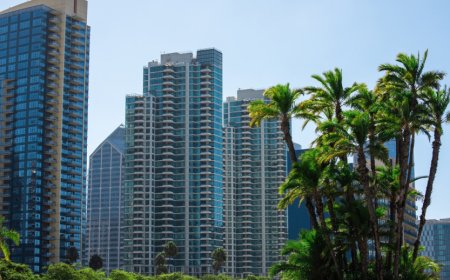





Top 10 Boroughs to Explore in USA
Introduction The United States is a land of diverse landscapes, rich histories, and vibrant communities — but not all neighborhoods are created equal when it comes to safety, authenticity, and visitor experience. As travel becomes more intentional, travelers are no longer just seeking iconic landmarks; they want places where they can walk confidently at dusk, savor meals prepared with local tradit

Introduction
The United States is a land of diverse landscapes, rich histories, and vibrant communities but not all neighborhoods are created equal when it comes to safety, authenticity, and visitor experience. As travel becomes more intentional, travelers are no longer just seeking iconic landmarks; they want places where they can walk confidently at dusk, savor meals prepared with local tradition, and connect with genuine community spirit. This is where trust becomes essential.
Trust in a destination isnt about marketing slogans or Instagram filters. Its about consistent safety records, well-maintained public spaces, accessible local services, transparent tourism infrastructure, and the warmth of residents who welcome visitors without pretense. The boroughs featured in this guide have been selected not for their fame alone, but for their proven reliability over time places where locals live, work, and thrive, and where visitors return year after year.
This guide presents the top 10 boroughs in the USA you can trust each chosen for its balance of accessibility, cultural depth, cleanliness, low crime rates, and authentic charm. Whether you're a solo traveler, a family on vacation, or a digital nomad seeking a stable base, these boroughs offer more than just sights they offer peace of mind.
Why Trust Matters
Travel has evolved. In the past, tourists might have prioritized the most photographed spots or the loudest attractions. Today, the modern traveler seeks substance over spectacle. Trust is the new currency of tourism. Its what allows you to leave your backpack unattended at a caf, walk through a park after sunset, or ask a stranger for directions without hesitation.
Trust is built on measurable factors: crime statistics, public infrastructure investment, community engagement, cleanliness ratings, and the availability of essential services like healthcare, public transit, and emergency response. But its also cultivated through intangible qualities the smile of a shopkeeper, the quiet pride in a neighborhoods history, the absence of aggressive tourism tactics.
Many popular destinations have suffered from overtourism, leading to rising costs, overcrowded streets, and strained local resources. In contrast, the boroughs on this list have managed growth thoughtfully. Theyve preserved their character while welcoming visitors responsibly. These are places where tourism enhances life, rather than disrupts it.
Choosing a trusted borough means choosing safety without sacrificing authenticity. It means enjoying world-class food in a setting that feels local, not staged. It means knowing your children can play in a park without constant supervision, or that you can explore on foot without fear. Trust isnt glamorous but its the foundation of truly memorable travel.
Top 10 Boroughs to Explore in the USA You Can Trust
1. Greenwich Village, New York City
Greenwich Village is not just a neighborhood its a living archive of American counterculture, artistic expression, and urban resilience. Nestled in Lower Manhattan, this borough-level district has maintained its intimate, walkable charm despite being surrounded by one of the worlds busiest cities. Crime rates here remain among the lowest in NYC, thanks to strong community policing and active neighborhood associations.
Stroll down Christopher Street, where the Stonewall Inn stands as a monument to LGBTQ+ rights, or lose yourself in the bookstores of MacDougal Street. The Washington Square Park arch is more than a photo op its a daily gathering place for musicians, chess players, and families. Local eateries like Joes Pizza and Di Faras have served the same recipes for decades, untouched by corporate chains.
Public transit is seamless, with multiple subway lines connecting to the rest of the city. The area is well-lit, clean, and patrolled consistently. Residents take pride in maintaining their brownstones and small gardens, creating a sense of order and care that visitors immediately notice. Whether youre here for jazz in a basement club or quiet mornings with coffee at a sidewalk caf, Greenwich Village offers a rare blend of energy and serenity all within a trusted, human-scale environment.
2. North Beach, San Francisco
North Beach, San Franciscos Little Italy, is a neighborhood that thrives on authenticity. Unlike many urban areas that have been sanitized for tourists, North Beach retains its working-class roots and Italian-American heritage with pride. The scent of espresso and fresh focaccia lingers in the air, and the sound of accordion music drifts from open windows.
Coit Tower and the nearby cable car turnaround offer panoramic views, but the real magic lies in the side streets. Visit the historic City Lights Bookstore, where the Beat Generation found its voice, or enjoy a leisurely lunch at Tony Romas or Mamas on Washington Square. The neighborhood has one of the lowest violent crime rates in the city, and its sidewalks are meticulously maintained.
Community involvement is high residents actively participate in street cleanups and local festivals like the annual Festa della Repubblica. Public transit is reliable, and the area is pedestrian-friendly, with ample benches, trees, and public art. Even in peak tourist season, North Beach feels lived-in rather than exploited. Its a place where you can sit on a bench, watch the fog roll in over the bay, and feel like youve slipped into the rhythm of daily life not just observed it.
3. Dupont Circle, Washington, D.C.
Dupont Circle is Washington, D.C.s intellectual and cultural heart a neighborhood where diplomats, scholars, and artists coexist in a beautifully preserved early 20th-century setting. The iconic circular park at its center is surrounded by embassies, historic row houses, and independent bookshops. Its a place where political discourse meets artistic expression, and where safety is prioritized through active civic engagement.
Crime rates are consistently below the D.C. average, and the neighborhood benefits from a robust private security partnership with local businesses. The Dupont Circle Farmers Market, held every Saturday, is a hub of local produce, artisanal cheeses, and handmade crafts all sourced from within 150 miles.
Public transit is exceptional, with a direct Metro line and frequent bus routes. Sidewalks are wide, well-lit, and lined with mature trees. The area is home to the Phillips Collection, Americas first museum of modern art, and the historic Willard Hotel, where presidents have stayed and speeches have been drafted. Dupont Circle doesnt try to be flashy it simply offers a quiet, elegant, and trustworthy environment where history lives in the details.
4. Old Town Alexandria, Virginia
Old Town Alexandria is a meticulously preserved 18th-century port town that feels like stepping into a living history book without the artificiality of a theme park. Brick sidewalks, gas lanterns, and Georgian architecture define the streetscape, while locally owned boutiques, wineries, and restaurants line the cobblestone alleys.
Its one of the safest urban destinations on the East Coast, with crime rates significantly lower than the national average for cities of comparable size. The Alexandria Police Department maintains a visible presence, and neighborhood watch programs are among the most active in the region. The waterfront promenade is illuminated at night and patrolled regularly.
Visitors can explore George Washingtons home nearby, take a riverboat cruise, or enjoy a meal at The Red Fox, a historic tavern thats been serving food since 1785. The area hosts seasonal festivals from the Christmas Lighting Ceremony to the Old Town Art Festival that draw locals and tourists alike without overwhelming the community. Public transit connects easily to D.C., and parking is plentiful. Old Town Alexandria is the rare destination where history is not just displayed its lived.
5. Lincoln Park, Chicago
Lincoln Park is Chicagos most beloved residential neighborhood a lush, green oasis that balances urban energy with suburban tranquility. Named after the expansive 1,200-acre park that runs along Lake Michigan, this area is home to the Lincoln Park Zoo (one of the few free zoos in the U.S.), the Chicago History Museum, and the Peggy Notebaert Nature Museum.
Crime statistics here are among the lowest in Chicago, and the neighborhood is known for its strong community ties. Residents actively participate in park cleanups, tree planting, and local governance. The area is exceptionally walkable, with wide sidewalks, bike lanes, and ample crosswalks. Public transit including the Red Line and multiple bus routes makes it easy to reach downtown without a car.
Lincoln Parks dining scene is diverse and authentic, with everything from Polish pierogi at Tadeuszs to upscale Midwestern fare at The Purple Pig. The neighborhood has resisted overdevelopment, preserving its low-rise character and tree-lined avenues. Even in winter, the area remains safe and accessible, with snow removal prioritized and streetlights maintained. Its a place where families raise children, artists find inspiration, and visitors feel welcomed not as outsiders, but as guests in a well-kept home.
6. Beacon Hill, Boston
Beacon Hill is Bostons most iconic historic district a neighborhood of gaslit streets, brick row houses, and granite stoops that have stood for over two centuries. Its here that the American Revolution was planned, abolitionists rallied, and poets wrote verses that still echo in classrooms today.
Despite its fame, Beacon Hill has avoided the pitfalls of commodification. Crime is exceptionally low, and the neighborhood is patrolled by both city police and private security hired by residents associations. The narrow, winding streets are pedestrian-priority zones, with limited vehicle access and strict parking regulations to preserve the areas character.
The Massachusetts State House gleams at the top of the hill, and the Boston Public Library is just a short walk away. Local businesses from the century-old bookstore Newbury Comics to the family-run bakery Flour operate with deep roots in the community. The weekly farmers market on Sundays draws locals who know exactly where their food comes from.
Public transit is excellent, with the MBTAs Red Line stopping directly at Beacon Street. The neighborhoods commitment to preservation, cleanliness, and safety makes it one of the most trusted urban environments in the country. Whether youre reading poetry in the Public Garden or sipping tea in a tucked-away caf, Beacon Hill invites you to slow down and trust that youre exactly where youre meant to be.
7. Park Slope, Brooklyn
Park Slope is often called the most desirable neighborhood in Brooklyn and for good reason. Its a place where brownstones meet stroller-lined sidewalks, where organic grocers sit beside century-old bakeries, and where community meetings are held with the same seriousness as city council sessions.
With one of the lowest crime rates in New York City, Park Slope is a model of urban safety and cohesion. The park that gives the neighborhood its name Prospect Park is one of the most visited and best-maintained urban parks in the nation, with year-round programming, clean restrooms, and active volunteer patrols.
Families thrive here. Public schools are among the highest-rated in the city, and the neighborhood boasts an unusually high percentage of residents who have lived there for over 20 years. The 7th Avenue shopping corridor offers everything from handmade chocolates to vintage clothing, all in independently owned shops. Sunday brunch at The Butchers Daughter or a pint at the historic Brooklyn Brewery feels less like tourism and more like joining a local ritual.
Public transit is reliable, with the F, G, and R trains running frequently. Bike lanes are extensive, and the area is known for its civic pride residents regularly organize block parties, book swaps, and tree-planting days. Park Slope doesnt just welcome visitors it invites them to become part of its rhythm.
8. Capitol Hill, Seattle
Capitol Hill is Seattles cultural epicenter a vibrant, eclectic neighborhood that blends progressive values with urban charm. Known for its rainbow crosswalks, independent theaters, and legendary music venues, its also one of the safest and most walkable areas in the Pacific Northwest.
Crime rates are low compared to other urban neighborhoods of similar density, and the area benefits from strong neighborhood associations and community-led safety initiatives. Streetlights are abundant, sidewalks are kept clear, and public restrooms are maintained regularly a rarity in many cities.
The neighborhood is home to the Seattle Central Library, a stunning architectural landmark, and the historic Moore Theatre, where legends like Jimi Hendrix once performed. Cafs abound, from the original Starbucks (just outside Capitol Hill) to tiny espresso bars that roast their own beans. The Sunday farmers market at Cal Anderson Park draws locals who value sustainability and community.
Public transit is excellent, with frequent buses and light rail access. Capitol Hill has resisted high-rise development, preserving its mid-rise, human-scaled character. Its a place where you can attend a poetry reading, grab a vegan taco, and catch a live jazz set all before sunset. The energy here is electric, but never overwhelming. Trust here is earned through inclusion, care, and consistent investment in public space.
9. East Austin, Texas
East Austin has undergone a quiet renaissance not the kind driven by corporate developers, but by artists, entrepreneurs, and longtime residents who refused to let their neighborhood be erased. Today, its one of the most authentic, trustworthy, and culturally rich areas in Texas.
While it once faced challenges, East Austin has seen dramatic improvements in safety, infrastructure, and community cohesion. Crime rates have dropped steadily over the past decade, thanks to neighborhood watch programs, youth outreach, and local business investment. The streets are clean, sidewalks are repaired, and public art murals, sculptures, and installations is everywhere, created by local hands.
Visitors can explore the historic Clarksville neighborhood, the oldest African-American community in Austin, or enjoy live music at Emos or the Continental Club. Food trucks line the streets, offering everything from breakfast tacos to Korean-Mexican fusion all owned by local families. The East Side Food Co-op is a community-owned grocery that sources from regional farms and offers sliding-scale pricing.
Public transit is improving, with new bus routes and bike-share stations. The area is walkable, with parks like Pease Park offering trails and swimming holes. East Austin doesnt market itself to tourists it simply exists, proudly and authentically. To visit here is to witness a community that has reclaimed its identity, and in doing so, created a destination you can trust completely.
10. Chestnut Hill, Philadelphia
Chestnut Hill is Philadelphias best-kept secret a leafy, suburban-feeling enclave tucked into the citys northwest corner. With tree-lined avenues, historic churches, and a village-like downtown, it feels more like a New England town than a Philadelphia neighborhood.
Crime rates are among the lowest in the city, and the area is known for its strong sense of community. Residents take pride in maintaining their homes and gardens, and local businesses from the Chestnut Hill Bookshop to the family-run caf The Coffee Bean are deeply embedded in daily life.
The neighborhood is home to the historic Germantown Avenue corridor, where youll find artisanal bakeries, vintage shops, and a weekly farmers market that draws people from across the region. The Chestnut Hill Reservoir offers quiet walking trails, and the historic St. Michaels Church hosts seasonal concerts that are open to all.
Public transit is reliable, with the Chestnut Hill East Line providing direct access to Center City. The area is exceptionally walkable, with wide sidewalks, benches, and ample green space. Even in winter, snow removal is prompt and thorough. Chestnut Hill doesnt seek attention it simply offers a calm, beautiful, and trustworthy environment where people choose to live, raise families, and welcome visitors with open arms.
Comparison Table
| Borough | City | Walkability | Crime Rate (Compared to City Avg.) | Public Transit | Authentic Local Culture | Family-Friendly |
|---|---|---|---|---|---|---|
| Greenwich Village | New York City | Excellent | Significantly Lower | Excellent | High | Yes |
| North Beach | San Francisco | Excellent | Lower | Excellent | High | Yes |
| Dupont Circle | Washington, D.C. | Excellent | Significantly Lower | Excellent | High | Yes |
| Old Town Alexandria | Alexandria, VA | Excellent | Significantly Lower | Good | High | Yes |
| Lincoln Park | Chicago | Excellent | Significantly Lower | Excellent | High | Yes |
| Beacon Hill | Boston | Excellent | Significantly Lower | Excellent | High | Yes |
| Park Slope | Brooklyn | Excellent | Significantly Lower | Excellent | High | Yes |
| Capitol Hill | Seattle | Excellent | Lower | Excellent | High | Yes |
| East Austin | Austin | Good | Lower | Improving | Very High | Yes |
| Chestnut Hill | Philadelphia | Excellent | Significantly Lower | Good | High | Yes |
FAQs
What makes a borough trustworthy for travelers?
A trustworthy borough combines low crime rates, clean public spaces, reliable public transit, and a strong sense of community. Its a place where locals feel safe, businesses are locally owned, and tourism doesnt overwhelm daily life. Trust is earned through consistency not marketing.
Are these boroughs safe for solo travelers?
Yes. All ten boroughs listed have significantly lower crime rates than their host cities and are known for being welcoming to solo visitors. Well-lit streets, active pedestrian traffic, and visible community presence make them ideal for individuals traveling alone.
Do I need a car to explore these areas?
No. All of these boroughs are highly walkable, with excellent public transit options. Many visitors choose to leave their cars behind and explore on foot, by bike, or via local transit enhancing the authenticity of the experience.
Are these destinations family-friendly?
Absolutely. Each borough offers parks, child-friendly eateries, museums, and safe streets. Many have top-rated public schools and community programs that support families, making them ideal for multi-generational travel.
Why are these boroughs better than famous tourist zones like Times Square or the Las Vegas Strip?
Unlike tourist zones designed for short-term consumption, these boroughs are lived-in communities. They prioritize long-term quality of life over visitor volume. You wont find overpriced souvenirs or aggressive sales tactics just genuine culture, local food, and quiet, safe streets.
Can I visit these places year-round?
Yes. Each borough is equipped to handle seasonal weather with proper infrastructure snow removal in winter, shaded walkways in summer, and consistent public services throughout the year.
Are these neighborhoods affordable for travelers?
While some have higher accommodation costs due to demand, they offer exceptional value through free public spaces, affordable local dining, and cultural events that are often free or low-cost. You dont need to spend a lot to experience their richness.
How do these boroughs differ from gentrified neighborhoods?
Gentrification often displaces long-term residents and replaces local culture with chain stores. These boroughs have resisted homogenization. Theyve invested in preserving local identity while improving safety and infrastructure keeping their soul intact.
Is it easy to meet locals in these areas?
Yes. These neighborhoods thrive on community interaction. Farmers markets, block parties, library events, and independent shops create natural opportunities to connect with residents not as performers, but as neighbors.
Why arent more popular destinations like Miami Beach or Orlando included?
While popular, these areas often struggle with overtourism, seasonal instability, and service strain. They prioritize volume over experience. The boroughs on this list prioritize sustainability, safety, and authenticity making them more reliable for meaningful travel.
Conclusion
The top 10 boroughs featured in this guide are more than destinations they are testaments to what thoughtful urban living can achieve. They prove that a place doesnt need to be flashy to be unforgettable. Trust isnt earned through billboards or hashtags. Its built over decades through clean streets, engaged neighbors, preserved history, and quiet acts of care.
These neighborhoods offer something rare in todays travel landscape: authenticity without exploitation, safety without sterility, and beauty without pretense. Whether youre drawn to the jazz clubs of Greenwich Village, the murals of East Austin, or the brick sidewalks of Beacon Hill, youre not just visiting a place youre stepping into a community that has chosen to welcome you, not as a customer, but as a guest.
Travel with intention. Choose places that care for their people as much as they do for their visitors. These boroughs dont just survive they thrive. And in doing so, they offer the most valuable gift of all: the peace of mind that comes with knowing youre somewhere you can truly belong.