



















How to Check Water Bill Status
How to Check Water Bill Status Managing household utilities is a fundamental part of modern living, and water service is no exception. Whether you’re a homeowner, renter, or property manager, staying on top of your water bill status ensures timely payments, avoids service disruptions, and helps you monitor usage patterns for efficiency and cost savings. Checking your water bill status is more than

How to Check Water Bill Status
Managing household utilities is a fundamental part of modern living, and water service is no exception. Whether youre a homeowner, renter, or property manager, staying on top of your water bill status ensures timely payments, avoids service disruptions, and helps you monitor usage patterns for efficiency and cost savings. Checking your water bill status is more than a routine choreits a proactive step toward responsible resource management and financial planning. With advancements in digital infrastructure, utilities across cities and regions now offer multiple channels to access billing information, making it easier than ever to stay informed. This guide provides a comprehensive, step-by-step approach to checking your water bill status, regardless of your location or preferred method. From online portals to mobile apps and in-person options, youll learn how to navigate the system efficiently, avoid common pitfalls, and leverage tools that save time and reduce errors. Understanding how to check your water bill status empowers you with control, transparency, and peace of mind.
Step-by-Step Guide
Checking your water bill status involves a series of clear, actionable steps that vary slightly depending on your region, utility provider, and preferred method of access. Below is a detailed breakdown of the most common and reliable methods used today.
Method 1: Online Portal Access
Most municipal water providers and private utilities maintain secure online portals where account holders can view and manage their billing information. To begin:
- Visit your water utilitys official website. Ensure you are on the legitimate domainlook for a .gov, .org, or verified .com address. Avoid third-party sites that may mimic official pages.
- Locate the Customer Login or My Account section, typically found in the top-right corner of the homepage.
- Enter your account number and password. If you dont have login credentials, click Register or Create Account. Youll need your account number, service address, and possibly a phone number or email associated with the account.
- Once logged in, navigate to the Billing or Account Summary tab. Here, youll see your current bill status: whether its paid, pending, overdue, or estimated.
- Review the detailed breakdown of charges, including consumption volume (in gallons or cubic meters), fixed fees, surcharges, and due dates.
- Download or print a copy of your bill for your records. Many portals allow you to set up paperless billing and receive email notifications when new bills are available.
For users with multiple properties under one account, the portal often allows switching between service points to view individual bill statuses. Always log out after completing your session, especially when using shared or public devices.
Method 2: Mobile Application
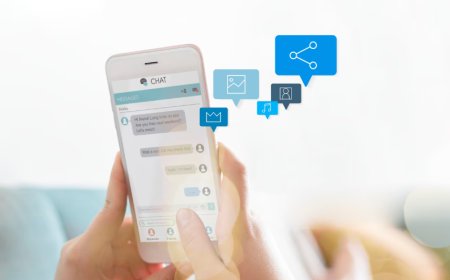
Many utilities have developed dedicated mobile apps to enhance customer experience. These apps offer real-time access to billing data and often include additional features like payment integration, usage graphs, and leak alerts.
- Open your smartphones app store (Apple App Store or Google Play Store).
- Search for your water providers official app by namefor example, CityWater Mobile or MetroWater Services.
- Download and install the app. Verify the developer name matches your utility provider to avoid fraudulent applications.
- Launch the app and sign in using the same credentials as your online portal. If you havent registered, follow the in-app registration process.
- Upon login, the home screen typically displays your current bill status, due date, and total amount owed. Tap View Bill to see usage history, meter readings, and itemized charges.
- Enable push notifications for bill reminders and payment confirmations. Some apps also allow you to schedule automatic payments or set budget alerts based on historical usage.
Mobile apps are particularly useful for users on the go, offering quick access without needing a computer. They often sync with your online account, ensuring data consistency across platforms.
Method 3: SMS or Text Message Service
In regions with limited internet access or among users who prefer minimal digital interaction, many utilities offer SMS-based bill status updates.
- Check your latest paper bill or utility website for instructions on enrolling in SMS services. A common format is to text a keyword like BILL or STATUS to a designated short code (e.g., 555-123).
- Follow the automated prompts to link your account. You may need to provide your account number and confirm your phone number.
- Once registered, you can send a new text at any time with the keyword STATUS to receive an automated reply with your current bill amount, due date, and payment status.
- Some systems allow you to request a bill summary or payment link via text. These links are secure and direct you to a mobile-optimized payment page.
SMS services are ideal for users without smartphones or reliable internet. They provide a low-bandwidth, high-reliability method of staying informed. However, they typically offer less detail than web or app interfaces.
Method 4: Automated Phone System
Many utilities operate interactive voice response (IVR) systems that allow customers to check their bill status over the phone without speaking to an agent.
- Dial the official utility phone number listed on your bill or website.
- When prompted, select the option for Account Information or Bill Status. This is usually option 1 or 2.
- Enter your account number using the keypad. You may be asked to confirm your service address or zip code for security.
- Listen to the automated response, which will state your current balance, due date, and whether the bill has been paid.
- If available, press a key to hear a summary of your usage over the past three months or to request a copy of your bill be mailed.
This method is accessible to anyone with a landline or mobile phone and requires no digital literacy. Its especially helpful for elderly users or those unfamiliar with online systems. Record the information provided for your records, as the system rarely allows you to save or print the response.
Method 5: In-Person or Kiosk Access
For those who prefer face-to-face interaction or lack digital access, many municipalities maintain service centers or self-service kiosks.
- Locate your nearest utility service center. This information is available on the official website or through local government directories.
- Bring your account number and a valid photo ID. Some centers require ID for security purposes, even if youre only checking status.
- Approach the information desk or locate a self-service kiosk. Kiosks often have touchscreens with simple navigation.
- Enter your account number or scan your bill barcode if available.
- View your current bill status on the screen. You may print a receipt or request a printed copy of your bill.
- Staff may assist with questions about usage trends or payment arrangements, but they cannot alter your bill or waive charges without formal review.
Visiting in person is the most reliable method if you need immediate, verified information. It also allows you to resolve discrepancies on the spot, such as incorrect meter readings or billing errors.
Method 6: Third-Party Payment Platforms
Some utilities partner with third-party platforms like PayPal, Google Pay, Apple Pay, or local banking apps to facilitate bill payments and status checks.
- Open your preferred payment app (e.g., Venmo, Zelle, or your banks mobile app).
- Look for the Pay Bills or Utilities section.
- Select Water or search for your utility provider by name.
- Link your account by entering your utility account number and verifying your identity.
- Once linked, the app will display your current bill status, due date, and amount due. Some apps even show payment history and estimated future bills based on usage.
- You can pay directly through the app or set up recurring payments. Notifications will alert you when a new bill is available.
Using third-party platforms consolidates your utility payments into one interface, reducing the need to log into multiple systems. However, ensure the platform is officially partnered with your provider to avoid processing delays or data privacy issues.
Best Practices
Consistently checking your water bill status is only half the battle. Adopting best practices ensures accuracy, prevents unnecessary charges, and promotes long-term financial and environmental responsibility.
Regular Monitoring
Dont wait until the due date to check your bill. Review your account at least once a week, especially during peak usage months like summer. Sudden spikes in consumption can indicate leaks, faulty appliances, or meter errors. Early detection saves money and prevents waste.
Verify Meter Readings
Many bills are based on estimated readings. If your bill seems unusually high, compare it with your physical meter. Note the reading on the meter and cross-reference it with the number on your bill. If they dont match, contact your provider immediately to request a manual reading. Keep a log of your monthly meter readings for reference.
Set Up Alerts
Enable all available notificationsemail, SMS, or app push alertsfor bill generation, due dates, and payment confirmations. This minimizes the risk of late payments and service interruptions. Customize alerts to suit your schedule; for example, set a reminder three days before the due date.
Keep Digital and Physical Records
Save digital copies of every bill in a secure folder on your computer or cloud storage. Include the date, amount, payment confirmation number, and any correspondence. Also, keep a printed archive for at least seven years, particularly if you own property or file taxes that include utility deductions.
Understand Your Billing Cycle
Water bills are typically issued monthly or bi-monthly. Know your cycle so you can anticipate when to expect a bill. Some providers bill based on calendar months, while others use fixed cycles (e.g., every 30 days from the date of service activation). Understanding this helps you plan cash flow and avoid confusion when bills appear on irregular dates.
Review Charges Line by Line
Water bills often include base fees, usage charges, sewer fees, infrastructure surcharges, and environmental fees. Ensure each line item is accurate and justified. If you see a charge you dont recognize, research it on the utilitys website or request clarification. Many fees are standardized, but errors do occur.
Use Historical Data to Identify Trends
Most online portals and apps allow you to view usage trends over time. Compare your consumption month-over-month and year-over-year. A consistent increase without a change in household size may signal a hidden leak. A sharp drop could indicate a meter malfunction. Use this data to make informed decisions about water-saving fixtures or behavioral changes.
Secure Your Account Information
Never share your account number, login credentials, or billing details with unsolicited callers, texts, or emails. Legitimate providers will never ask for your password or full account number via text or social media. Use strong, unique passwords and enable two-factor authentication where available.
Update Your Contact Information
If you move, change your phone number, or update your email, notify your water provider immediately. Failure to do so may result in missed bills, late fees, or incorrect communication. Many providers allow you to update details directly through your online portal.
Know Your Rights and Dispute Procedures
Every utility operates under regulatory guidelines that protect consumers. If you believe your bill is incorrect, you have the right to request a review or audit. Document your concerns in writing and keep copies of all correspondence. Some jurisdictions offer free mediation services for billing disputes.
Tools and Resources
Several digital tools and official resources can streamline the process of checking your water bill status and managing your account more effectively.
Official Utility Websites
Your water providers website is the primary source of accurate, up-to-date information. These sites often include:
- Interactive maps showing service areas and billing zones
- PDF guides on how to read your meter
- FAQs on common billing questions
- Links to downloadable forms for account changes or dispute requests
Bookmark the official site and verify its URL regularly. Look for HTTPS encryption and a padlock icon in the browser address bar to ensure security.
Energy and Water Tracking Apps
Third-party apps like Conservify, WaterMinder, or Utility Bill Tracker allow you to manually input your water bill data and track usage trends over time. These are especially useful if your provider doesnt offer an app or online portal.
These apps often include:
- Usage graphs and alerts for abnormal consumption
- Comparison tools against regional averages
- Leak detection algorithms based on usage patterns
- Exportable reports for tax or insurance purposes
While not connected directly to your utility, they provide valuable insights and help you become more aware of your consumption habits.
Government and Municipal Portals
In many cities, water services are managed through broader municipal websites. For example, in the U.S., you may access your bill through a citys My Account portal that also handles trash collection, property taxes, and parking permits.
These consolidated platforms offer a single sign-on for all municipal services. Check your citys official website under Utilities, Residents, or Online Services.
Smart Meter Dashboards
If your home has a smart water meter, you may have access to a real-time dashboard that displays usage by the hour or day. These are often accessible via the utilitys website or app and can help you identify usage spikes tied to specific activities (e.g., watering the lawn, running the dishwasher).
Smart meters transmit data automatically, eliminating estimation errors and providing granular insights into consumption patterns. Ask your provider if your property is equipped with a smart meter and how to access the dashboard.
Browser Extensions and Password Managers
Use password managers like LastPass or 1Password to securely store your utility login credentials. Avoid saving passwords in your browser unless its encrypted and device-specific.
Browser extensions like LastPass Form Fill or Bitwarden can auto-fill your login details on utility websites, reducing the risk of typos or phishing attempts.
Water Conservation Tools
Many utilities offer free tools to help reduce consumption and lower bills:
- Free showerhead and faucet aerator kits
- Leak detection dye tablets
- Online water audit calculators
- Rebate programs for high-efficiency appliances
Check your providers website for conservation programs. Reducing usage not only lowers your bill but also contributes to environmental sustainability.
Public Data Repositories
In some regions, water usage data is publicly available through open data portals. For example, cities like New York, San Francisco, and Toronto publish anonymized water consumption data by neighborhood. While not personalized, this data helps you benchmark your usage against local averages.
Search for [Your City] open data water usage to find these resources. They can be useful for understanding regional trends and advocating for equitable billing practices.
Real Examples
Real-world scenarios illustrate how checking your water bill status can prevent problems and uncover savings.
Example 1: Hidden Leak Detected Through Usage Analysis
Maria, a resident of Portland, Oregon, noticed her water bill had increased by 40% over two months despite no change in household habits. She logged into her utilitys online portal and viewed her daily usage graph. The data showed a consistent overnight consumption of 12 gallons per hourfar above normal. She checked her toilets and pipes and discovered a slow leak in the main supply line behind the bathroom wall. After repairing it, her bill returned to normal, saving her over $180 in one quarter. Without checking her bill status regularly, the leak might have gone unnoticed for months, leading to structural damage and much higher costs.
Example 2: Billing Error Corrected Before Payment
James received his bi-monthly water bill in Chicago and noticed a $75 charge labeled Sewer Surcharge. He had never been charged this before. He called the utilitys automated system and requested a breakdown. The representative confirmed the charge was erroneously applied due to a system update. James submitted a dispute via the online portal, attaching his previous bills as evidence. Within five business days, the charge was removed, and he received a corrected bill with a $75 credit. Had he paid without questioning, he would have lost money and lost trust in the system.
Example 3: Budgeting Through Historical Trends
The Rodriguez family in Austin, Texas, used their utilitys app to track their water usage over the past year. They noticed their consumption peaked every July due to outdoor irrigation. Using the apps recommendation feature, they installed a smart sprinkler controller that adjusted watering based on weather forecasts. Their summer bills dropped by 35%, and they earned a $50 rebate from the city for installing water-efficient equipment. Their proactive approach turned a recurring expense into a cost-saving opportunity.
Example 4: Mobile App Prevents Service Disruption
Linda, a college student in Seattle, relied on her water utilitys mobile app to monitor her apartments bill. One month, she forgot to pay on time. The app sent her a push notification two days before the due date, reminding her to settle the balance. She paid via the app using her phones digital wallet and received an instant confirmation. Her service remained uninterrupted, and she avoided late fees. Without the app, she might have missed the deadline while juggling classes and work.
Example 5: SMS Service for Non-Digital Users
Mr. Thompson, an 82-year-old retiree in Cincinnati, doesnt use computers. He enrolled in the utilitys SMS service after his daughter helped him register. Now, every time his bill is generated, he receives a text: Your water bill is $42.50. Due by the 15th. Reply PAY to schedule payment. He replies PAY, and a confirmation is sent. He then takes the confirmation to his local bank, where the teller processes the payment. This simple system gives him independence and peace of mind without requiring digital skills.
FAQs
How often should I check my water bill status?
Its recommended to check your water bill status at least once a week, especially during high-usage seasons. This allows you to catch unexpected spikes early, which could indicate leaks or meter issues. At minimum, review your bill every billing cycle to ensure accuracy and avoid late payments.
Can I check my water bill without an account number?
Most official systems require your account number for security. However, if youve lost it, you can often retrieve it by entering your service address or phone number on the utilitys website. If you have a recent paper bill, the account number is clearly printed on the top or bottom. If all else fails, visit a service center with your ID and proof of residency.
Why is my water bill higher than last month?
Common reasons include increased usage (e.g., more people in the home, outdoor watering), seasonal changes, undetected leaks, or an estimated reading that was later adjusted to a higher actual reading. Review your usage history on the portal and compare it to previous months. If usage hasnt changed, contact your provider to verify the meter reading.
Is it safe to check my water bill online?
Yes, as long as you use the official website or app of your water provider. Always verify the URL, look for HTTPS encryption, and avoid clicking links in unsolicited emails. Never enter your credentials on unfamiliar websites. Use strong passwords and enable two-factor authentication when available.
What if I cant access my online account?
If youve forgotten your password, use the Forgot Password link on the login page. If youre unable to reset it, contact your utility through their official phone number or visit a service center. Be prepared to verify your identity with your account number, service address, or government-issued ID.
Can I dispute a water bill if I think its wrong?
Yes. Most utilities have a formal dispute process. Submit your concern in writing via the online portal, email, or mail. Include your account number, the disputed charge, and any supporting evidence (e.g., meter readings, photos). You have the right to request a re-read or audit. Keep copies of all correspondence.
Do water bills include taxes?
Water bills typically include fixed fees, usage charges, sewer fees, and infrastructure surcharges, but not sales tax in most U.S. states. However, some municipalities add environmental or conservation fees. Review your bills itemized list to understand what each charge represents. Tax inclusion varies by location.
How do I know if my meter is faulty?
If your bill is consistently high despite low usage, or if your meters dial continues to move when all water sources are turned off, your meter may be faulty. You can request a professional meter test from your utility. Some providers offer this service for free if theres evidence of an error.
Can I get a copy of my past water bills?
Yes. Most online portals allow you to download or email bills for the past 12 to 24 months. If you need older records, contact your utility directly. Some providers charge a small fee for retrieving records older than two years.
What should I do if Im moving soon?
Notify your water provider at least 10 days before your move date. Provide your new address and move-out date. Request a final meter reading and a closing bill. Ensure all outstanding balances are settled to avoid issues with your credit or future service in another location.
Conclusion
Knowing how to check your water bill status is not merely a technical skillits a vital component of responsible household management. From identifying hidden leaks to preventing unnecessary charges and optimizing usage, regular monitoring offers financial, environmental, and practical benefits. Whether you use an online portal, mobile app, SMS service, or in-person kiosk, the key is consistency and attention to detail. By adopting best practices, leveraging available tools, and staying informed through real-world examples, you transform a routine task into a powerful tool for control and savings. Water is a finite resource, and your awareness directly impacts both your wallet and the planet. Make checking your water bill status a habit, and youll gain clarity, confidence, and long-term savings. Start today: log in to your account, verify your last reading, and take the next step toward smarter water management.